Detail of The School of Athens by Raffaello Sanzio, 1509, showing Plato (left) and Aristotle (right)
‘Courage is the first of human qualities because it is the quality which guarantees the others.’
–Aristotle
rr20aah

Detail of The School of Athens by Raffaello Sanzio, 1509, showing Plato (left) and Aristotle (right)
‘Courage is the first of human qualities because it is the quality which guarantees the others.’
–Aristotle
rr20aah
| « W3Schools Home | Next Reference » |
DTD: indicates in which HTML 4.01 / XHTML 1.0 DTD the tag is allowed. S=Strict, T=Transitional, and F=Frameset
| Tag | Description | DTD |
|---|---|---|
| <!–…–> | Defines a comment | STF |
| <!DOCTYPE> | Defines the document type | STF |
| <a> | Defines an anchor | STF |
| <abbr> | Defines an abbreviation | STF |
| <acronym> | Defines an acronym | STF |
| <address> | Defines contact information for the author/owner of a document | STF |
| <applet> | Deprecated. Defines an embedded applet | TF |
| <area /> | Defines an area inside an image-map | STF |
| <b> | Defines bold text | STF |
| <base /> | Defines a default address or a default target for all links on a page | STF |
| <basefont /> | Deprecated. Defines a default font, color, or size for the text in a page | TF |
| <bdo> | Defines the text direction | STF |
| <big> | Defines big text | STF |
| <blockquote> | Defines a long quotation | STF |
| <body> | Defines the document’s body | STF |
| <br /> | Defines a single line break | STF |
| <button> | Defines a push button | STF |
| <caption> | Defines a table caption | STF |
| <center> | Deprecated. Defines centered text | TF |
| <cite> | Defines a citation | STF |
| <code> | Defines computer code text | STF |
| <col /> | Defines attribute values for one or more columns in a table | STF |
| <colgroup> | Defines a group of columns in a table for formatting | STF |
| <dd> | Defines a description of a term in a definition list | STF |
| <del> | Defines deleted text | STF |
| <dfn> | Defines a definition term | STF |
| <dir> | Deprecated. Defines a directory list | TF |
| <div> | Defines a section in a document | STF |
| <dl> | Defines a definition list | STF |
| <dt> | Defines a term (an item) in a definition list | STF |
| <em> | Defines emphasized text | STF |
| <fieldset> | Defines a border around elements in a form | STF |
| <font> | Deprecated. Defines font, color, and size for text | TF |
| <form> | Defines an HTML form for user input | STF |
| <frame /> | Defines a window (a frame) in a frameset | F |
| <frameset> | Defines a set of frames | F |
| <h1> to <h6> | Defines HTML headings | STF |
| <head> | Defines information about the document | STF |
| <hr /> | Defines a horizontal line | STF |
| <html> | Defines an HTML document | STF |
| <i> | Defines italic text | STF |
| <iframe> | Defines an inline frame | TF |
| <img /> | Defines an image | STF |
| <input /> | Defines an input control | STF |
| <ins> | Defines inserted text | STF |
| <isindex> | Deprecated. Defines a searchable index related to a document | TF |
| <kbd> | Defines keyboard text | STF |
| <label> | Defines a label for an input element | STF |
| <legend> | Defines a caption for a fieldset element | STF |
| <li> | Defines a list item | STF |
| <link /> | Defines the relationship between a document and an external resource | STF |
| <map> | Defines an image-map | STF |
| <menu> | Deprecated. Defines a menu list | TF |
| <meta /> | Defines metadata about an HTML document | STF |
| <noframes> | Defines an alternate content for users that do not support frames | TF |
| <noscript> | Defines an alternate content for users that do not support client-side scripts | STF |
| <object> | Defines an embedded object | STF |
| <ol> | Defines an ordered list | STF |
| <optgroup> | Defines a group of related options in a select list | STF |
| <option> | Defines an option in a select list | STF |
| <p> | Defines a paragraph | STF |
| <param /> | Defines a parameter for an object | STF |
| <pre> | Defines preformatted text | STF |
| <q> | Defines a short quotation | STF |
| <s> | Deprecated. Defines strikethrough text | TF |
| <samp> | Defines sample computer code | STF |
| <script> | Defines a client-side script | STF |
| <select> | Defines a select list (drop-down list) | STF |
| <small> | Defines small text | STF |
| <span> | Defines a section in a document | STF |
| <strike> | Deprecated. Defines strikethrough text | TF |
| <strong> | Defines strong text | STF |
| <style> | Defines style information for a document | STF |
| <sub> | Defines subscripted text | STF |
| <sup> | Defines superscripted text | STF |
| <table> | Defines a table | STF |
| <tbody> | Groups the body content in a table | STF |
| <td> | Defines a cell in a table | STF |
| <textarea> | Defines a multi-line text input control | STF |
| <tfoot> | Groups the footer content in a table | STF |
| <th> | Defines a header cell in a table | STF |
| <thead> | Groups the header content in a table | STF |
| <title> | Defines the title of a document | STF |
| <tr> | Defines a row in a table | STF |
| <tt> | Defines teletype text | STF |
| <u> | Deprecated. Defines underlined text | TF |
| <ul> | Defines an unordered list | STF |
| <var> | Defines a variable part of a text | STF |
| <xmp> | Deprecated. Defines preformatted text |
| « W3Schools Home |
| « Previous | Next Reference » |
DTD: indicates in which HTML 4.01 / XHTML 1.0 DTD the tag is allowed. S=Strict, T=Transitional, and F=Frameset
| Tag | Description | DTD |
|---|---|---|
| Basic | ||
| <!DOCTYPE> | Defines the document type | STF |
| <html> | Defines an HTML document | STF |
| <body> | Defines the document’s body | STF |
| <h1> to <h6> | Defines HTML headings | STF |
| <p> | Defines a paragraph | STF |
| <br /> | Inserts a single line break | STF |
| <hr /> | Defines a horizontal line | STF |
| <!–…–> | Defines a comment | STF |
| Formatting | ||
| <acronym> | Defines an acronym | STF |
| <abbr> | Defines an abbreviation | STF |
| <address> | Defines contact information for the author/owner of a document | STF |
| <b> | Defines bold text | STF |
| <bdo> | Defines the text direction | STF |
| <big> | Defines big text | STF |
| <blockquote> | Defines a long quotation | STF |
| <center> | Deprecated. Defines centered text | TF |
| <cite> | Defines a citation | STF |
| <code> | Defines computer code text | STF |
| <del> | Defines deleted text | STF |
| <dfn> | Defines a definition term | STF |
| <em> | Defines emphasized text | STF |
| <font> | Deprecated. Defines font, color, and size for text | TF |
| <i> | Defines italic text | STF |
| <ins> | Defines inserted text | STF |
| <kbd> | Defines keyboard text | STF |
| <pre> | Defines preformatted text | STF |
| <q> | Defines a short quotation | STF |
| <s> | Deprecated. Defines strikethrough text | TF |
| <samp> | Defines sample computer code | STF |
| <small> | Defines small text | STF |
| <strike> | Deprecated. Defines strikethrough text | TF |
| <strong> | Defines strong text | STF |
| <sub> | Defines subscripted text | STF |
| <sup> | Defines superscripted text | STF |
| <tt> | Defines teletype text | STF |
| <u> | Deprecated. Defines underlined text | TF |
| <var> | Defines a variable part of a text | STF |
| <xmp> | Deprecated. Defines preformatted text | |
| Forms | ||
| <form> | Defines an HTML form for user input | STF |
| <input /> | Defines an input control | STF |
| <textarea> | Defines a multi-line text input control | STF |
| <button> | Defines a push button | STF |
| <select> | Defines a select list (drop-down list) | STF |
| <optgroup> | Defines a group of related options in a select list | STF |
| <option> | Defines an option in a select list | STF |
| <label> | Defines a label for an input element | STF |
| <fieldset> | Defines a border around elements in a form | STF |
| <legend> | Defines a caption for a fieldset element | STF |
| <isindex> | Deprecated. Defines a searchable index related to a document | TF |
| Frames | ||
| <frame /> | Defines a window (a frame) in a frameset | F |
| <frameset> | Defines a set of frames | F |
| <noframes> | Defines an alternate content for users that do not support frames | TF |
| <iframe> | Defines an inline frame | TF |
| Images | ||
| <img /> | Defines an image | STF |
| <map> | Defines an image-map | STF |
| <area /> | Defines an area inside an image-map | STF |
| Links | ||
| <a> | Defines an anchor | STF |
| <link /> | Defines the relationship between a document and an external resource | STF |
| Lists | ||
| <ul> | Defines an unordered list | STF |
| <ol> | Defines an ordered list | STF |
| <li> | Defines a list item | STF |
| <dir> | Deprecated. Defines a directory list | TF |
| <dl> | Defines a definition list | STF |
| <dt> | Defines a term (an item) in a definition list | STF |
| <dd> | Defines a description of a term in a definition list | STF |
| <menu> | Deprecated. Defines a menu list | TF |
| Tables | ||
| <table> | Defines a table | STF |
| <caption> | Defines a table caption | STF |
| <th> | Defines a header cell in a table | STF |
| <tr> | Defines a row in a table | STF |
| <td> | Defines a cell in a table | STF |
| <thead> | Groups the header content in a table | STF |
| <tbody> | Groups the body content in a table | STF |
| <tfoot> | Groups the footer content in a table | STF |
| <col /> | Defines attribute values for one or more columns in a table | STF |
| <colgroup> | Defines a group of columns in a table for formatting | STF |
| Styles | ||
| <style> | Defines style information for a document | STF |
| <div> | Defines a section in a document | STF |
| <span> | Defines a section in a document | STF |
| Meta Info | ||
| <head> | Defines information about the document | STF |
| <title> | Defines the document title | STF |
| <meta> | Defines metadata about an HTML document | STF |
| <base /> | Defines a default address or a default target for all links on a page | STF |
| <basefont /> | Deprecated. Defines a default font, color, or size for the text in a page | TF |
| Programming | ||
| <script> | Defines a client-side script | STF |
| <noscript> | Defines an alternate content for users that do not support client-side scripts | STF |
| <applet> | Deprecated. Defines an embedded applet | TF |
| <object> | Defines an embedded object | STF |
| <param /> | Defines a parameter for an object | STF |
| « Previous |
| « Previous | Next Reference » |
The attributes listed below are standard, and are supported by all HTML and XHTML tags, with a few exceptions.
Not valid in base, head, html, meta, param, script, style, and title elements.
| Attribute | Value | Description |
|---|---|---|
| class | classname | Specifies a classname for an element |
| id | id | Specifies a unique id for an element |
| style | style_definition | Specifies an inline style for an element |
| title | text | Specifies extra information about an element |
Not valid in base, br, frame, frameset, hr, iframe, param, and script elements.
| Attribute | Value | Description |
|---|---|---|
| dir | ltr rtl |
Specifies the text direction for the content in an element |
| lang | language_code | Specifies a language code for the content in an element. Language code reference |
| xml:lang | language_code | Specifies a language code for the content in an element, in XHTML documents. Language code reference |
| Attribute | Value | Description |
|---|---|---|
| accesskey | character | Specifies a keyboard shortcut to access an element |
| tabindex | number | Specifies the tab order of an element |
| « Previous |
| « Previous | Next Reference » |
HTML 4 added the ability to let events trigger actions in a browser, like starting a JavaScript when a user clicks on an element.
To learn more about programming events, please visit our JavaScript tutorial and our DHTML tutorial.
Below is the standard event attributes that can be inserted into HTML / XHTML elements to define event actions.
The two attributes below can only be used in <body> or <frameset>:
| Attribute | Value | Description |
|---|---|---|
| onload | script | Script to be run when a document load |
| onunload | script | Script to be run when a document unload |
The attributes below can be used in form elements:
| Attribute | Value | Description |
|---|---|---|
| onblur | script | Script to be run when an element loses focus |
| onchange | script | Script to be run when an element changes |
| onfocus | script | Script to be run when an element gets focus |
| onreset | script | Script to be run when a form is reset |
| onselect | script | Script to be run when an element is selected |
| onsubmit | script | Script to be run when a form is submitted |
The attribute below can be used with the img element:
| Attribute | Value | Description |
|---|---|---|
| onabort | script | Script to be run when loading of an image is interrupted |
Valid in all elements except base, bdo, br, frame, frameset, head, html, iframe, meta, param, script, style, and title.
| Attribute | Value | Description |
|---|---|---|
| onkeydown | script | Script to be run when a key is pressed |
| onkeypress | script | Script to be run when a key is pressed and released |
| onkeyup | script | Script to be run when a key is released |
Valid in all elements except base, bdo, br, frame, frameset, head, html, iframe, meta, param, script, style, and title.
| Attribute | Value | Description |
|---|---|---|
| onclick | script | Script to be run on a mouse click |
| ondblclick | script | Script to be run on a mouse double-click |
| onmousedown | script | Script to be run when mouse button is pressed |
| onmousemove | script | Script to be run when mouse pointer moves |
| onmouseout | script | Script to be run when mouse pointer moves out of an element |
| onmouseover | script | Script to be run when mouse pointer moves over an element |
| onmouseup | script | Script to be run when mouse button is released |
| « Previous |
Carl Gustav Jung 1875 - 1961
” To one person its spirit appears as clear as day; to another, shadowy as twilight; to a third, dark as night. He who is not pleased by it does not have to use it, and he who is against it is not obliged to find it true. Let it go forth into the world for the benefit of those who can discern its meaning.” –Jung, Forward to I Ching
Jung became so adept at using dem I Ching that he could predict what Hexagrams – HEX – he would get for dem People he analyzed. (Franz1975) EEk use deen Rune Readings in aanem similar Way thet Jung used deen I Ching n deen Tarot with his Analysands. Rune Readings coach you in your spiritual Growth. Each human Being is oner Clearing dos ToBe (“ToBe” similar Heidggerrian Sein).
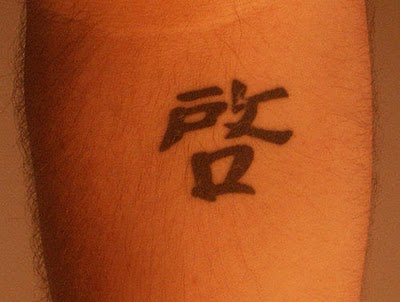 |
| Tattoo meaning enlightenment. |
Ener Tiwaz Reading puts you in harmony with thot Clearing dos ToBe.



Dor Canadian Psychiatrist n Mystic Dr. Bucke called Ot “Cosmic Consciousness”. Dor tibetan Yoga Milarepa called Ot “Dharamakaya”. Dor philosopher mistik Martin Heidegger called his Magnum Opus “Sein und Zeit” – ToBe and Time.

Dor Zen Buddhists have called Ot “Satori” ond Taoists have called Ot “The Tao”.


Marie-Louise von Franz. 1975. C. G. Jung—His Myth in Our Time. William Kennedy trans. Hodder and Stoughton: London. p. 117.
Dune_Fear is Mind Killer“I must not fear. Fear is the mind-killer. Fear is the little-death that brings total obliteration. I will face my fear. I will permit it to pass over me and through me. And when it has gone past I will turn the inner eye to see its path. Where the fear has gone there will be nothing. Only I will remain.” –Paul Atreides, Quote from Dune, the 1984 motion picture directed by David Lynch, based on the novel Dune by Frank Herbert. rr14ohh
When we Divine rr14 Perthro as Wyrd, or better known as Karma, in enem Rune Reading, we are becoming conscious of our Fears that continue to keep us in a Matrix of Programs. For Example, the People who own d Media manufacture TV PROGRAMS, Karmas, Mems etc to PROGRAM you to work in the Service Industry or simply turn you into Chattel to be slaughter for Profit and Pleasure. These Programs through FEAR not only lobotomize your ability to act against them but more importantly retard your ability to spiritually Actualize. Dur Perthro Rune indicates aenen Awakening dos Consciousness dis your Programs aend thaes Consciousness gives you now, dun Ability to change your Wyrd towards your spiritual Awakening.
Lynch’s Dune in mææs Opinion is ener Great Masterpiece of European Culture even though Lynch was unen American. Uk have not seen all dun Adaptations of Dune but dur only One I have been most happy with is dur 177 min Extended Edition. Even in dum Extended Version there are some Scenes missing from unem TV Version which Uk no longer have.
Paul Atreides, as portrayed by Kyle MacLachla
Dar Want to have Love is Childish,
Dor Will to give Love is Mature.
— Tiwaz 201008280842 rr20ahh
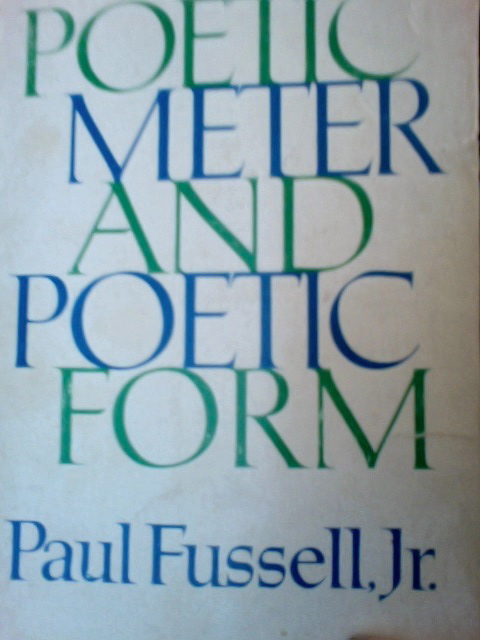
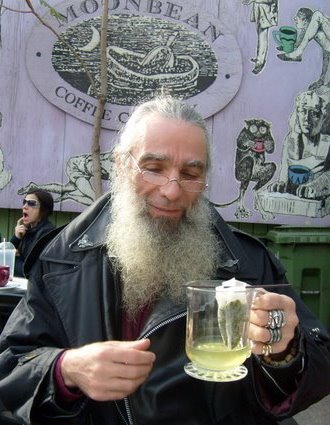
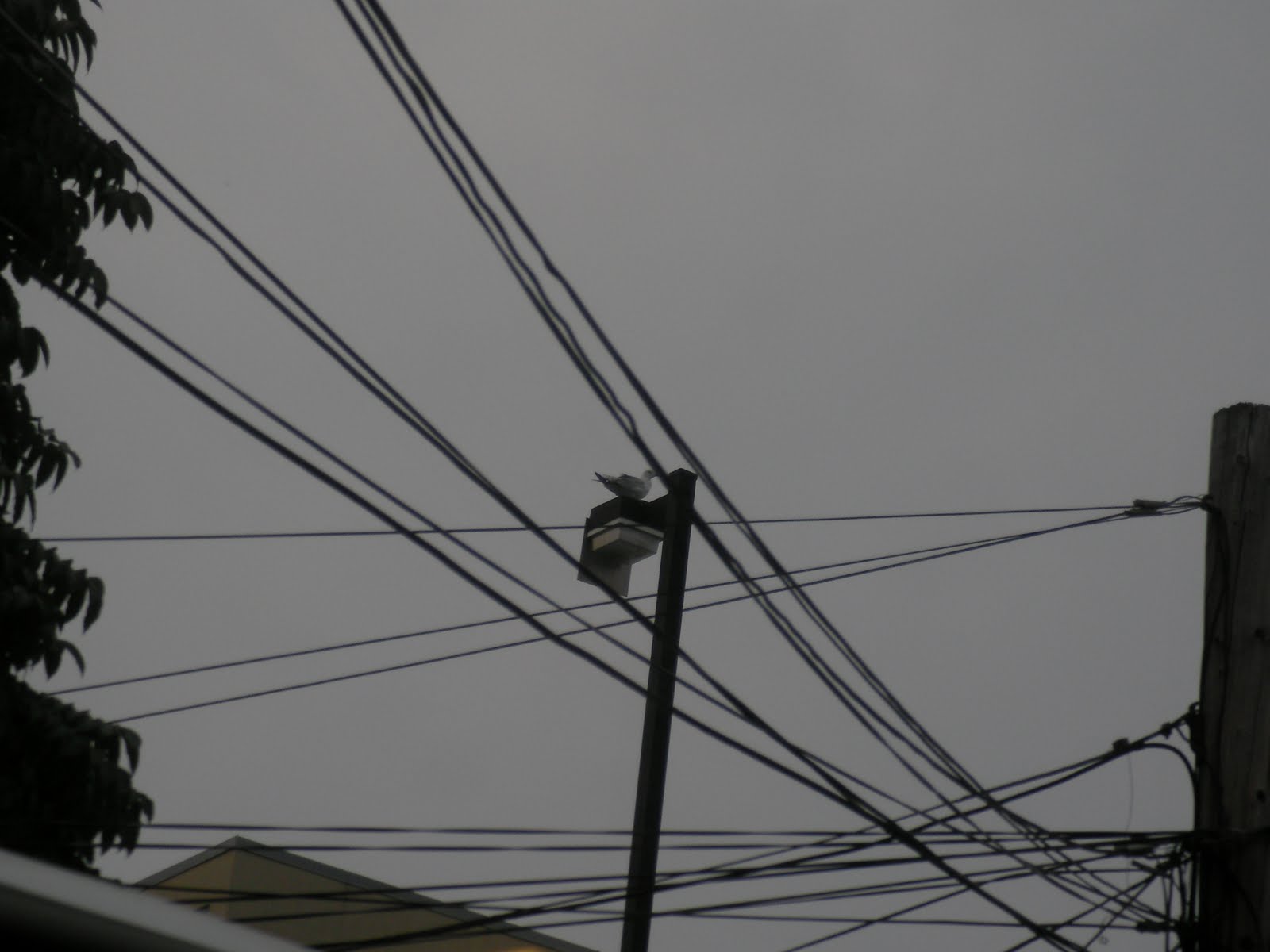
Reading d Book, Fussell’s POETIC METER AND POETIC FORM, I look up thru d Moonbean Cafe Window, thru a tangle of Phone Lines, high above perched on top of a Lamp Post, I see a Pigeon alone.
I look back to d Page “pleasures of meter are essentially physical and as intimately connected with the rhythmic quality of man’……s total experience as the similarity alternating and recurring phenomena of breathing, walking, or lovemaking.” p6
I look back contemplatively to d Pigeon as d Wind ruffles it’s gray Feathers. I realize dun Pigeon is not alone. It is one w d Wind, with d Cycles of Day n Night, Summer n Winter. Birds can migrate using d Sun, Stars n Earths Magnetic Field. It is in Harmony w d Universe.
What is out of Harmony, that PROJECTS Aloness, that creates Heidegger’s Fallness, is my Mind. When Descartes said ‘I THINK, THEREFORE I AM’ he did not give a new Ground for Philosophy but revealed d prehistoric Ground for Separation. Before Man’s Hi-story, when we sat around Campfires surrounded by Darkness, it was not “the Dark Side” outside d Circle that created Fear, Hatred, Aloneness but d fiery Mind in d Center of d Circle, w it’s continues squirrely Chatter, that separated us from d Ground of our TOBE.
First a Separation of Inner n d Outer was created. D Inner was d Campfire of d Mind. D Outer now became d “Dark Side” which was really d Ground of our ToBe. In Abraham Religious Terms we became separated from God. God became d Campfire Light, a BURNING BUSH, an Image of our Ego. D True God, d ALL ONENESS became d Evil of Darkness. Soon d Mind expanded “Inner-Outer” creating a Matrix, of Time n Space. D Mind imposed Time n Space into d World creating d Illusion of Separation n Death.
“The ticking of a clock constitutes an unvaried succession of regular sounds: wen no one is listening to a clock, it goes tick, tick, tick, tick all day long. But let a human ear approach, and the clock goes tick, tock, tick tock, and the ticking now “becomes” rhythmical because the listening ear wants it to be.” p18 And now I realize more deeply that even d Harmony n Rhythm that I projected on d Pigeon is an Illusion!
ONCE, I realize my Immortality, my ALL-ONENESS, then Aloness – Company, being loved – being hated, Life-Death become delights, silent Clouds passing in front of d Moon, all to be contemplated in Bliss n Joy.
–Tiwaz, rr09eoo
Tide to collecting your Will (rr16) from all your disturbing Thoughts

Image via Wikipedia
Oh! if to dance all Night, and dress all Day,
Charm’d the Small-pox, or chas’d old Age away;
Who would not scorn what Housewife’s Cares produce,
Or who would learn one earthly Thing of Use?
—Alexander Pope, The Rape of the Lock, 1717. rr16ahu

Reading duum Book, Fussell’s POETIC METER AND POETIC FORM, Ik look up thru dum Moonbean Cafe Window, thru unem tangle dus Phone Lines, high above perched on top dus unem Lamp Post, Ik see uunen Pigeon alone.
Ik look back to dum Page “pleasures of meter are essentially physical and as intimately connected with the rhythmic quality of man’s total experience as the similarity alternating and recurring phenomena of breathing, walking, or lovemaking.” p6
Ik look back contemplatively to duum Pigeon as duum Wind ruffles uut’s grey Feathers. Ik realize dun Pigeon is not alone. Ut is one with duum Wind, with d Cycles dus Day n Night, Summer n Winter. Birds can migrate using dum Sun, Stars n Earths Magnetic Field. It is in Harmony w dum Universe.
What is out des Harmony, that PROJECTS Aloness, that creates MARTIN HEIDEGGER‘s Fallenness, is maes Mind. When RENE DESCARTES said ‘I THINK, THEREFORE I AM’ he did not give aenen new Ground for Philosophy but revealed daen Ur-High-Storic Ground for Separation. Before Man’s High-Story, when we sat around Campfires surrounded by Darkness, it was not “the Dark Side” outside dum Circle that created Fear, Hatred, Aloneness but daem fiery Mind in dam Center das dam Circle, with it’s continues squirrely Chatter, thaet separated us from dom Ground dos our TOBE.
First aner Seperation, das Inner & das Outer, was created. Dar Inner was dan Campfire das Mind. Dur Outer now became dun “Dark Side” which was really don Ground dos our ToBe. Uner Flame sits on unem Ground dus Universe & believes that it’s Light creates dun Universe. Im Abraham Religious Terms we became separated from God. God became dan Campfire Light, anen BURNING BUSH, anem Image das our Ego. Dor True God, dor ALL ONENESS became dun Evil dus Darkness. Soon dar Mind expanded “Inner-Outer” creating aenem Matrix, daes Time & Space. Daer Mind imposed Time & Space into dom World creating daem Illusion daes Separation & Death.
“The ticking of a clock constitutes an unvaried succession of regular sounds: when no one is listening to a clock, it goes tick, tick, tick, tick all day long. But let a human ear approach, and the clock goes tick, tock, tick tock, and the ticking now “becomes” rhythmical because the listening ear wants it to be.” p18 And now EEOk realize more deeply that even dar Harmony & Rhythm that Ik projected on dum Pigeon is aner Illusion!
ONCE, Ik realize mos Immortality, mos ALL-ONENESS, then Aloness – Company, being loved – being hated, Life-Death become delights, silent Clouds passing in front dus Moon, all to be contemplated in Bliss & Joy.
–Tiwaz, rr09eeo

TO BLOSSOM GO BACK TO YOUR ROOTS
♦
BELOW FROM: The Local (news@thelocal.de)
[Excerpted (…) n Pictures added by Tiwaz rr02uah]
It was fifty years ago today…
Published: 16 Aug 10 17:53 CET
The Beatles might have hailed from Liverpool, but the band that changed the world got its big break in Hamburg. David Sharp traces the steps of the Fab Four fifty years later.
When John Lennon was once asked what it was like growing up in Liverpool, he quipped: “I didn’t grow up in Liverpool. I grew up in Hamburg.”
That’s because though The Beatles formed in Liverpool, they learned their licks in the backstreet clubs of the gritty northern German port city.
…
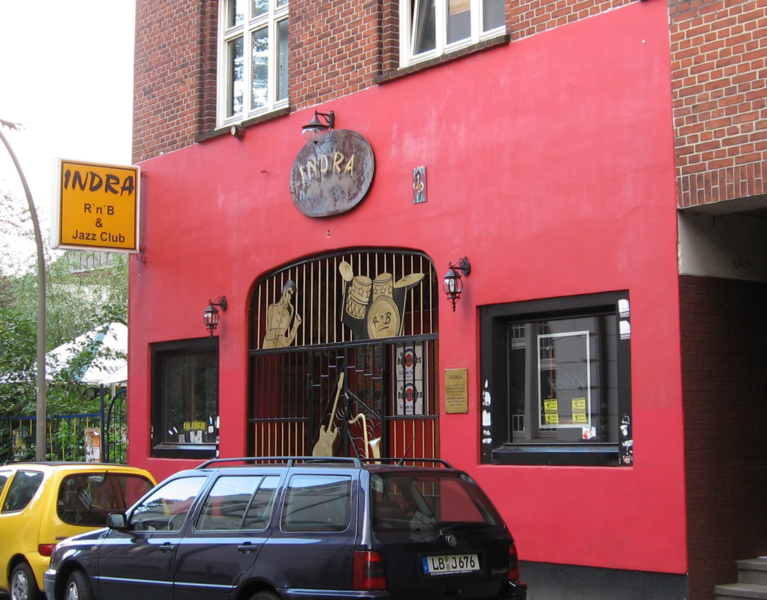
When the Beatles rolled into the shabby dockland neighbourhood of St Pauli in a small van early in the morning of August 17, 1960, Hamburg’s post-war resurgence was just beginning.
That same night, the then Fab Five of John Lennon, Paul McCartney, George Harrison, Pete Best and Stuart Sutcliffe, a raggle-taggle gang of leather-jacketed, pompadoured Scousers played their first gig at the Indra, a self-styled ‘music and vaudeville’ club. This tiny venue, at Große Freiheit 64, is still going strong today.
Fuelled by a heady mix of youthful enthusiasm, raw talent and Preludin pills, the nascent Beatles hurtled through an eclectic assortment of rock, pop, and R & B covers at high volume and breakneck speed. The boys bunked in a windowless cell behind the screen of a local cinema, the now defunct Bambi Kino, at nearby Paul-Roosen Strasse 33.
After two months of incessant gigging at the Indra, five hours a night for 30 marks each, owner Bruno Koschmider promoted The Beatles to his flagship club, the Kaiserkeller, a short stroll down Große Freiheit towards the neon lights of the Reeperbahn.
The band shared the bill with rival Liverpool group, Rory Storm & the Hurricanes, whose drummer happened to be Ringo Starr. …
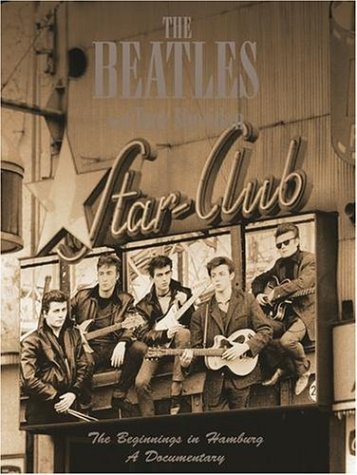
A broken bottle’s throw away is the site of the Star Club (Große Freiheit 39), where The Beatles shared the bill with fellow Liverpudlians Gerry & the Pacemakers and big-name US acts like Jerry Lee Lewis and Little Richard. It went up in smoke in 1983 and only a gravestone-shaped plaque remains etched with the names of other Star Club legends such as Gene Vincent and Jimi Hendrix.

Prior to their stint at the famous Star Club the fledgling Beatles had graduated, in the words of McCartney to “the big club where we aspired to go,” The Top Ten, situated in a basement in the heart of the Reeperbahn (#136). Formerly the Hippodrome, a subterranean circus, today a disco, it was here the band really found their feet with an echo-laden, reverb-friendly sound system, perfect for The Beatles’ raucous performances, and slightly less dingy sleeping arrangements, in an attic above the club itself.
…
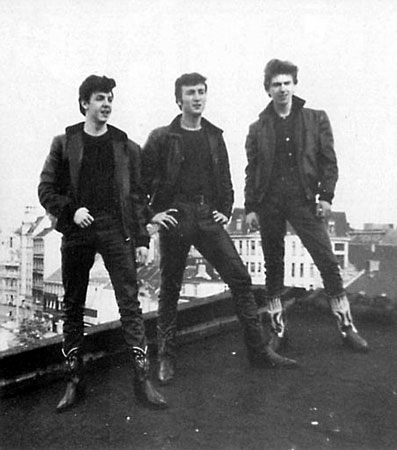
Round the corner is Paul Hundertmark’s Western Store where the Beatles assembled their trademark Hamburg look: cowboy boots, drainpipe jeans and Gene Vincent-style leather jackets. You can still go and get yourself kitted out in Beatles clobber at Paul’s store at Hundertmark 9. Then head for Wohlwillstrasse 22 and re-create the publicity shot taken by local snapper Jürgen Vollmer, who became a fast friend of the band, in 1960. John Lennon posed in the doorway of Jäger-Passage 1 as three blurry figures walked past him in the foreground. Those figures are McCartney, Harrison and Sutcliffe. The photograph was unearthed years later and became the iconic front cover of Lennon’s 1975 Rock ‘n’ Roll album.
When The Beatles returned to Hamburg in April1962 for their residency at the Star Club they were broken the news of bass player Stu Sutcliffe’s tragic premature death from an aneurysm. By the time of their second stint in November, Ringo Starr had become the group’s drummer, and the, now officially, Fab Four were big enough to warrant actual hotel rooms; first at the Germania (Detlev-Bremer-Strasse 8) and then at the Pacific (Neuer Pferdemarkt 30). Both hotels are still running and are a short stroll away from Heiligengeistfeld (Holy Ghost Field) where Astrid Kircherr, Sutcliffe’s German girlfriend, took the famous fairground photos at the Hamburger Dom that launched the new image she’d inspired them to adopt: collarless jackets and mop top haircuts.
…
John Lennon once bought a pig here, christened it Bruno after his boss at the Kaiserkeller, and chased it round the market causing such a commotion that someone called the cops. This time they weren’t arrested, or deported, but The Beatles’ love affair with Hamburg was in its final year anyway. They got back to where they once belonged, Liverpool, and recorded their first single, “Love Me Do.” The rest is history.
…